
Can you introduce yourself to us?
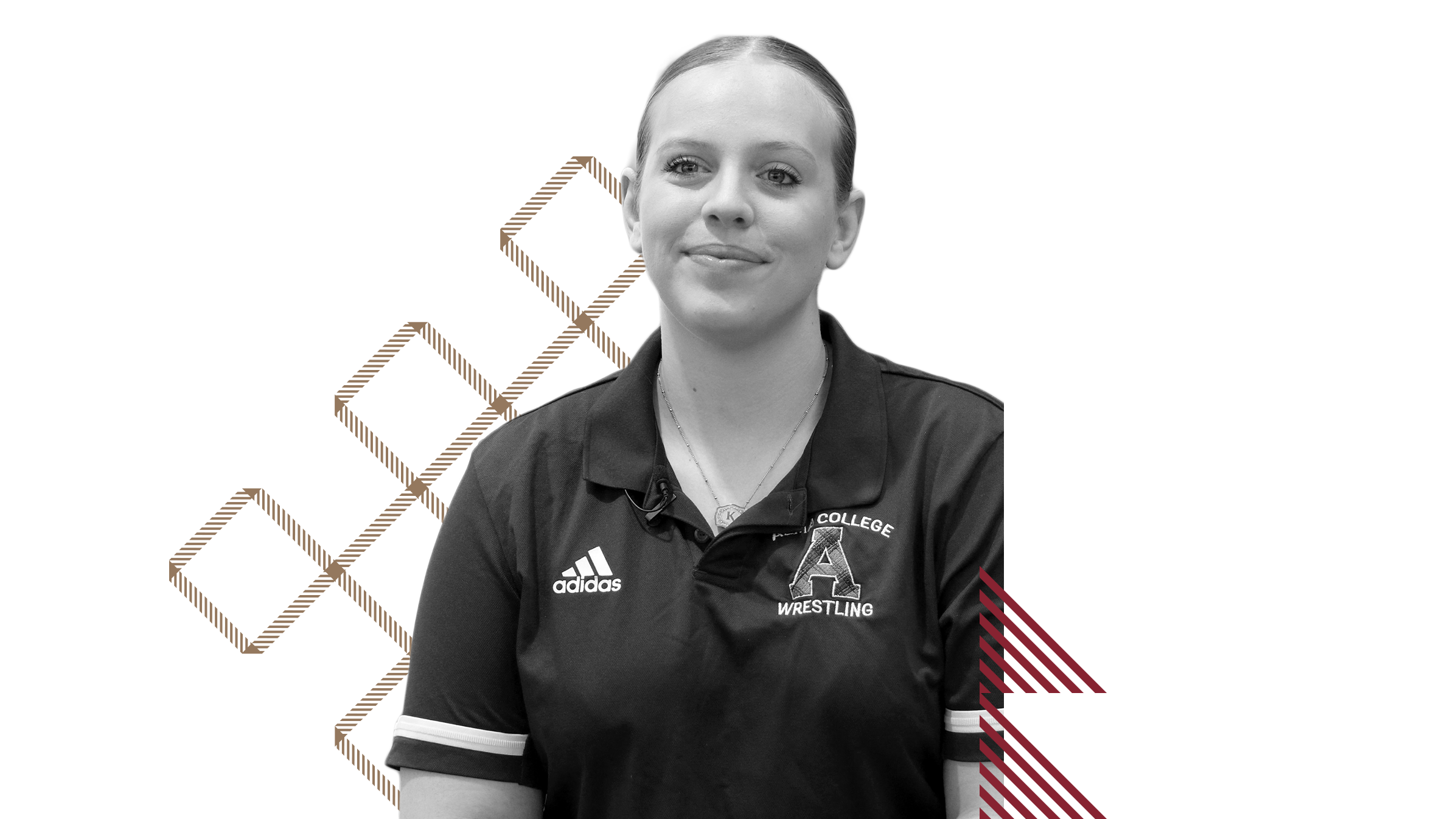
My name is Kenley Riley. I’m a sophomore at Alma College majoring in political science and philosophy.
What drew you to the Posey Global Fellows Program, and what made you decide to apply?
I was initially drawn to the Posey Global Fellows Program because I aspire to be a global changemaker. In many of my political science classes, we talk about the importance of service—not just at a local level, but on a global scale—and about the idea that anyone, regardless of age, background, or resources, is capable of creating meaningful change.
That message really resonated with me when I came to Alma College, and the Posey fellowship felt like an opportunity to do something far beyond what is typically available to undergraduate students. I was especially drawn to the placement in India. Before college, I had only participated in Model United Nations for one year and had never even heard of it before coming to Alma. Seeing how transformative the program was for me, I wanted the chance to bring that same experience to younger students.
Can you describe the experience you had during your fellowship and what your day-to-day looked like?
If I had to describe my experience in two words, it would be eye-opening and transformative. Each day started early—usually around 6 or 7 a.m.—as I prepared lesson plans and got ready for the school day. I spent my mornings teaching and meeting with administrators, teachers, and counselors.
Beyond teaching a Model United Nations course, we were also planning a large conference that was open to students from across India and beyond. That required constant communication and collaboration with the school’s staff. After returning to the hotel in the evenings, I would continue working — refining lesson plans, grading assignments, and preparing for the next day, often late into the night.
What did you learn — about the world, about your field, or about yourself — that you didn’t expect going in?
India presented countless challenges, but it also taught me so much. I learned about its incredibly rich culture, the differences between our experiences, and the similarities you might not expect. I was learning constantly throughout my six weeks there.
The biggest lesson I took away was that even when you don’t share a common language, communication never stops. That realization is incredibly important for the field I hope to enter — national security, diplomacy, and international collaboration. Being able to communicate clearly and effectively, while also leading with emotion and ethics, will be essential in my future work.
What was the most meaningful moment from your fellowship experience?
There were so many meaningful moments throughout the fellowship, starting from the very beginning. Watching the students grow was incredible — from the first day, when many didn’t know how to open a Google Doc, to the final day, when they were confidently typing full resolutions to submit at the conference. Seeing that progress was deeply rewarding and affirmed that I was truly making an impact.
The most meaningful moment came at the very end, as we were closing the conference and preparing to leave. I wasn’t sure if I had truly made a difference. Teaching isn’t a career path I’m especially passionate about, but I believe it’s something everyone should experience at least once because of the lessons it teaches.
When parents and students gathered around to tell me how the program had sparked new interests — whether in cybersecurity, women’s health, or simply a love of learning — it was incredibly powerful. In that moment, I knew I had achieved my goal: helping students become more globally minded and inspired to be agents of change. That mattered far more than perfect grammar or the best-written resolution, and it’s something I’m incredibly proud of — for both myself and the students we reached.