If you already have your sights set on a top graduate program, it’s easy to assume your path is predetermined. Want to earn a law degree at a top school? Start there. Dreaming of a Ph.D. or a career in international policy? Go straight to the biggest name you can find.
It sounds logical. But here’s what many high-achieving students miss: Graduate schools admit outcomes, not origins.
They’re not selecting students based on where they started. They’re selecting students based on what they’ve done — how deeply they’ve engaged, how clearly they think, and whether they’ve taken full advantage of the opportunities in front of them.
Outcomes, Built Early
At Alma College, students don’t wait until graduate school to do meaningful work. They begin building outcomes as undergraduates — through research, mentorship, and experiences that are often harder to access at larger institutions. That shows up in where they go next.
Take Rakkshet Singhaal (’22).
At Alma, he studied economics and political science with a focus on international relations, driven by a desire to expand opportunity for those too often left out of it. After graduating, he went on to earn a master’s degree in International and Development Economics from Yale University. Today, he’s a pre-doctoral fellow at the University of California-Berkeley Haas School of Business, continuing research at the intersection of economics and social equity.
Or Maria Vostrizansky (’24).
A history and political science major who graduated summa cum laude, Maria earned a Fulbright Scholarship to the Czech Republic, where she taught English and engaged in cultural exchange. Now, she’s pursuing a Master of Arts in Law and Diplomacy at The Fletcher School at Tufts University, focusing on human security, humanitarian affairs, and international negotiation.
Then there’s Claire Hipps (’23).
With a double major in economics and mathematics, Claire graduated summa cum laude and is now pursuing her J.D. at the University of Michigan Law School. Along the way, she secured a competitive summer clerkship with the Washington State Office of the Attorney General — an early step in what’s shaping up to be a high-impact legal career.
These aren’t isolated success stories. They’re outcomes, built intentionally, over time.
Why These Outcomes Happen
At many large universities, opportunity exists, but access can be limited. Research positions, faculty mentorship, and leadership roles are often competitive or delayed. At Alma, those experiences are part of the academic culture.
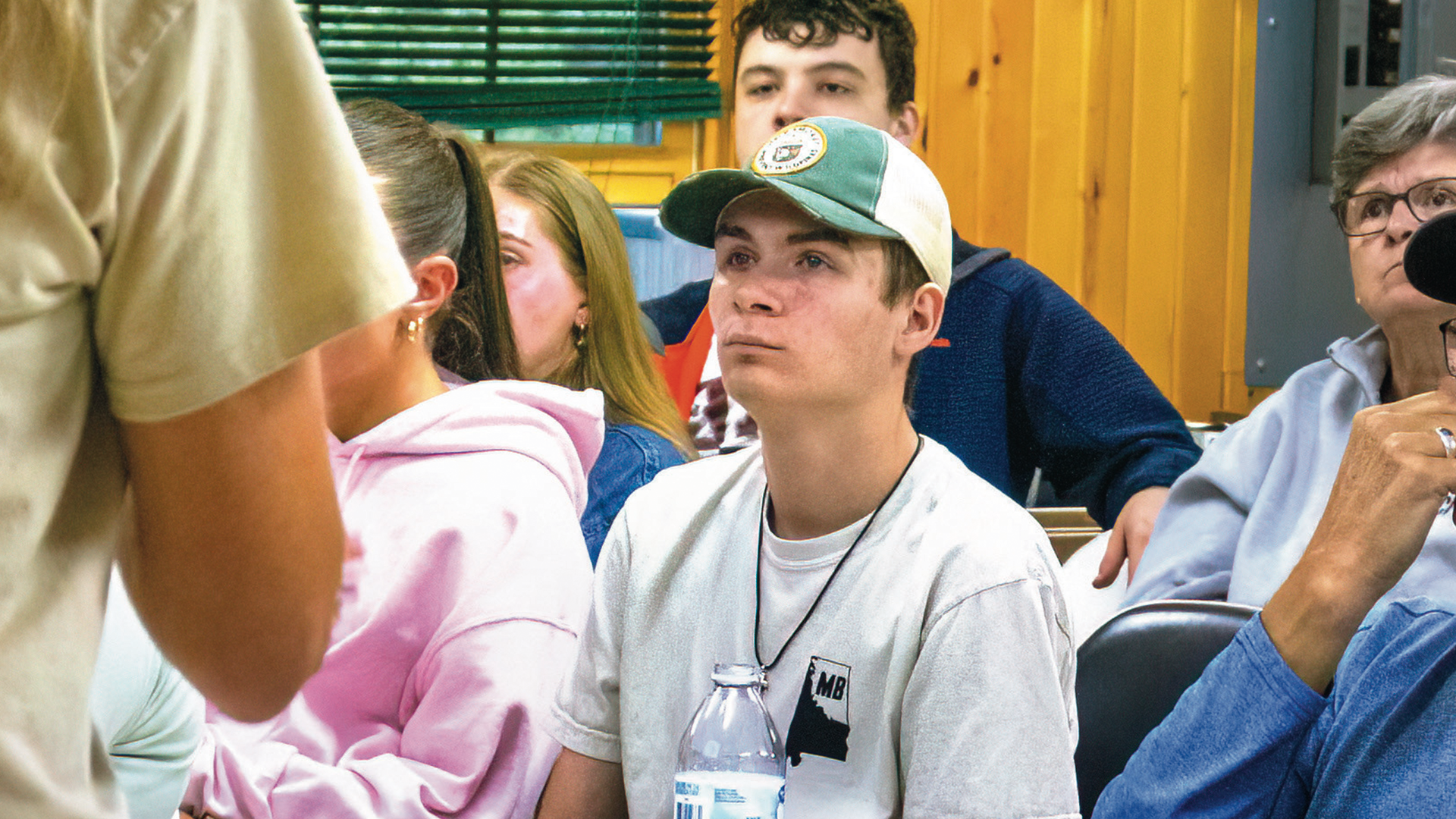
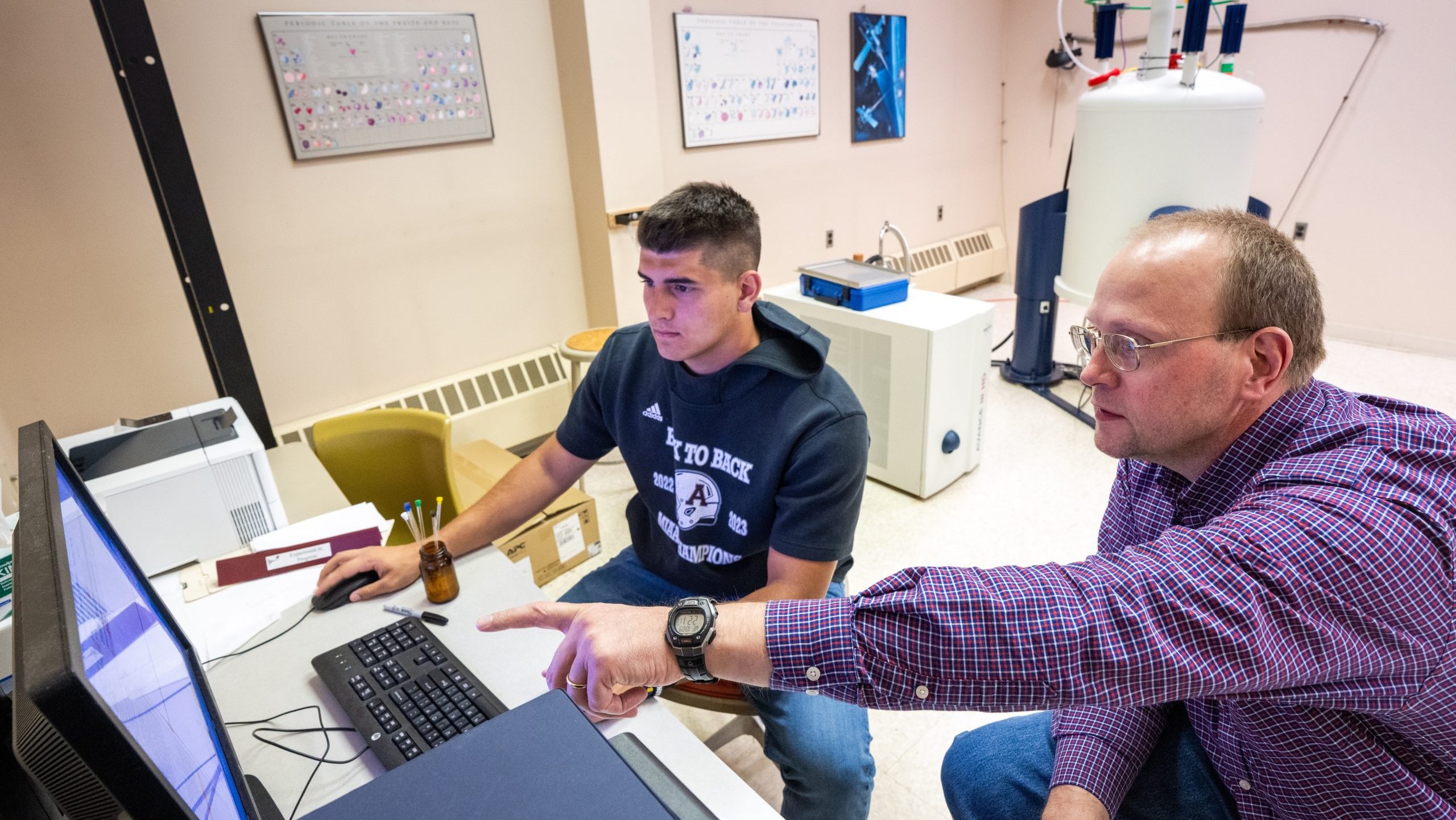
Students collaborate directly with faculty on research, often as early as their first year. They receive support for internships, research, and off-campus study — opportunities designed to expand both perspective and experience. And for those who want to go further, honors programs and thesis work provide a level of academic rigor that prepares them for what comes next.
The result isn’t just participation. It’s preparation, with outcomes to match.
Outcomes Across Industries
Graduate school is one path. Career success is another — and Alma students are achieving both.
Recent graduates are contributing in high-impact environments across the country:
- Registered nurses serving patients at major healthcare systems like Henry Ford Health, Spectrum Health, Corewell Health, and Sparrow
- Analysts and associates at firms like Accenture and Acrisure
- Professionals at global companies like Dow, leading in areas such as analytical science, supply chain, and cybersecurity
Different fields. Different goals. Same outcome: graduates who are ready to step in and make an impact.
Start Where Outcomes Are Built
If you’re a high-achieving student, you have options. The question isn’t whether you can start at a larger or more recognizable institution. It’s whether you’ll have the opportunity — and the expectation — to build something meaningful once you get there.
Because the students who end up at places like Yale, Michigan, and Cal-Berkeley don’t get there by accident. They get there by building a record of achievement — one experience, one project, one relationship at a time. At Alma, that process starts earlier, and the outcomes speak for themselves.