
At Alma College, Spring Term isn’t an add-on. It isn’t a break between semesters. And it isn’t just a trip in May. It’s a structural commitment to immersive learning.
Every Alma student completes two month-long Spring Term courses before graduation. For four weeks, students focus on a single three-credit experience — no competing classes, no divided attention. Just concentrated, hands-on engagement with one subject.
That design is intentional. Alma’s academic calendar creates space for something that doesn’t easily fit inside a traditional 14-week semester: deep immersion.
What Is Spring Term?
Spring Term is a four-week academic experience built directly into Alma’s curriculum. It allows students to pursue focused, applied learning in ways that aren’t possible during a traditional semester.
What defines Spring Term at Alma:
- One course. Four weeks. Full focus.
- Required twice before graduation.
- Small, faculty-led experiences.
- Often experiential, applied or field-based.
- Offered on campus, across the country and around the world.
Rather than squeezing experiential learning into the margins of a busy semester, Alma built it into the core of the liberal-arts academic experience.
A Menu of Immersive Opportunities
While some Spring Term courses include travel, immersion takes many forms.
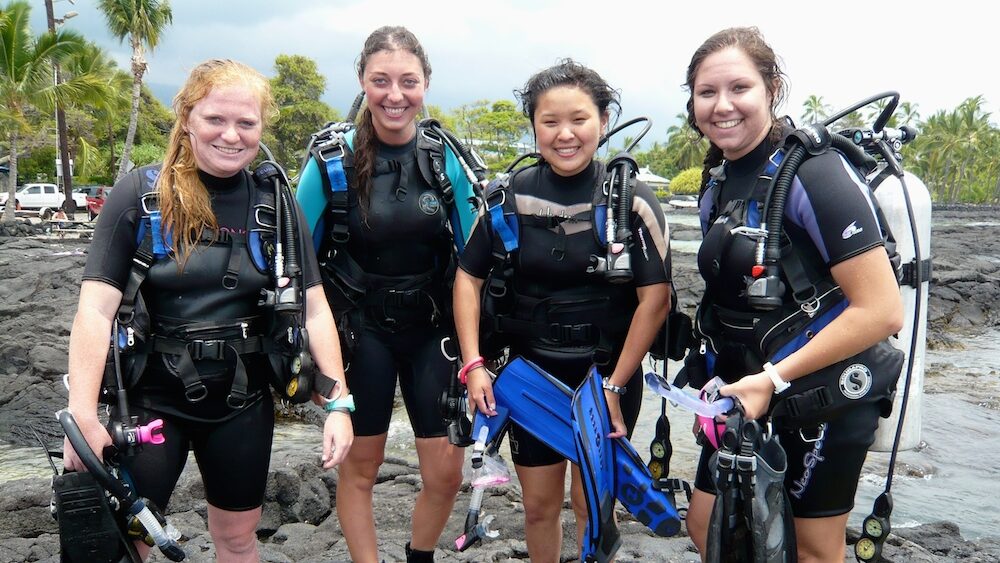
Faculty-Led Study Away Courses: Roughly one-third of Spring Term offerings involve travel, with destinations rotating each year. Students might explore the origins of psychology in Austria, examine cycling culture and infrastructure in France, participate in educator workshops at Disney World or study cultural diversity in Washington, D.C.
Field Research and Applied Science: Students conduct multi-week research, collect ecological samples, analyze water quality in the Pine River or engage in sustained laboratory work that necessitates continuity.
Community-Based Projects: Courses partner with local and regional organizations for hands-on civic engagement, public art initiatives and applied research.
Professional and Creative Intensives: Students complete workshops, portfolio-building experiences or creative projects that demand uninterrupted focus. The differentiator isn’t the destination — it’s the intensity.
From Experience to Opportunity
The impact of Spring Term often extends well beyond the month itself.
Students regularly reference their immersive experiences in graduate school interviews and job applications. Concentrated fieldwork and applied learning provide concrete examples of initiative, adaptability and depth — qualities that stand out to employers and admissions committees.
I went to Costa Rica for Spring Term to study poison dart frogs, and I ended up being asked about it during the graduate school interview process,
said Abigail Scharboneau ’18, now a veterinarian. It’s really beneficial for undergraduates to have something like that on their applications.
For Delanie Mott ’25, a Spring Term course at Disney World reshaped how she thinks about education.
It was a lot of fun, but it was also a really important class,” said Mott, now a teacher. “It taught us the difference between being an ordinary teacher and being a
teacher leader.
I’ll never forget those lessons.
An Investment in Access
At Alma College, immersive learning is more than a requirement — it’s a real investment in students.
One way the college demonstrates that commitment is through the Alma Venture program. Venture provides students with up to $2,500 to support original research, internships or off-campus study experiences aligned with their personal and professional goals.
Venture is separate from Spring Term, but many students use their Venture funds to pursue Spring Term opportunities.
Recently, Alma increased its support for off-campus exploration even further.
Thanks to a $1 million gift from alumnus Charles A. Deacon ’80 and his wife, Ann, the college created the Deacon Scholars – Venture Travel Support Scholarship. Funded at $200,000 annually for five years, the scholarship adds up to $2,500 more to a student’s Venture award to help cover approved course fees, travel expenses and tuition.
Each year, up to 80 students receive this support, with priority given to those demonstrating financial need.
Together, the Venture program and the Deacon Scholars scholarship send a clear message: life-changing learning experiences should not depend on financial circumstance. They should be available to students ready to pursue them.
Your most transformative month at Alma starts here. Explore upcoming Spring Term courses and discover where immersive learning can take you.