
Each summer, a group of Alma College students steps out of the classroom and into the field — wading along riverbanks, collecting water samples, studying local ecosystems, and uncovering the complicated ways land and water shape the communities around them. Their work is part of the Great Lakes Watershed Institute (GLWI), an initiative dedicated to understanding, protecting, and restoring the watersheds that define life in Michigan.
What a Week of Research Looks Like
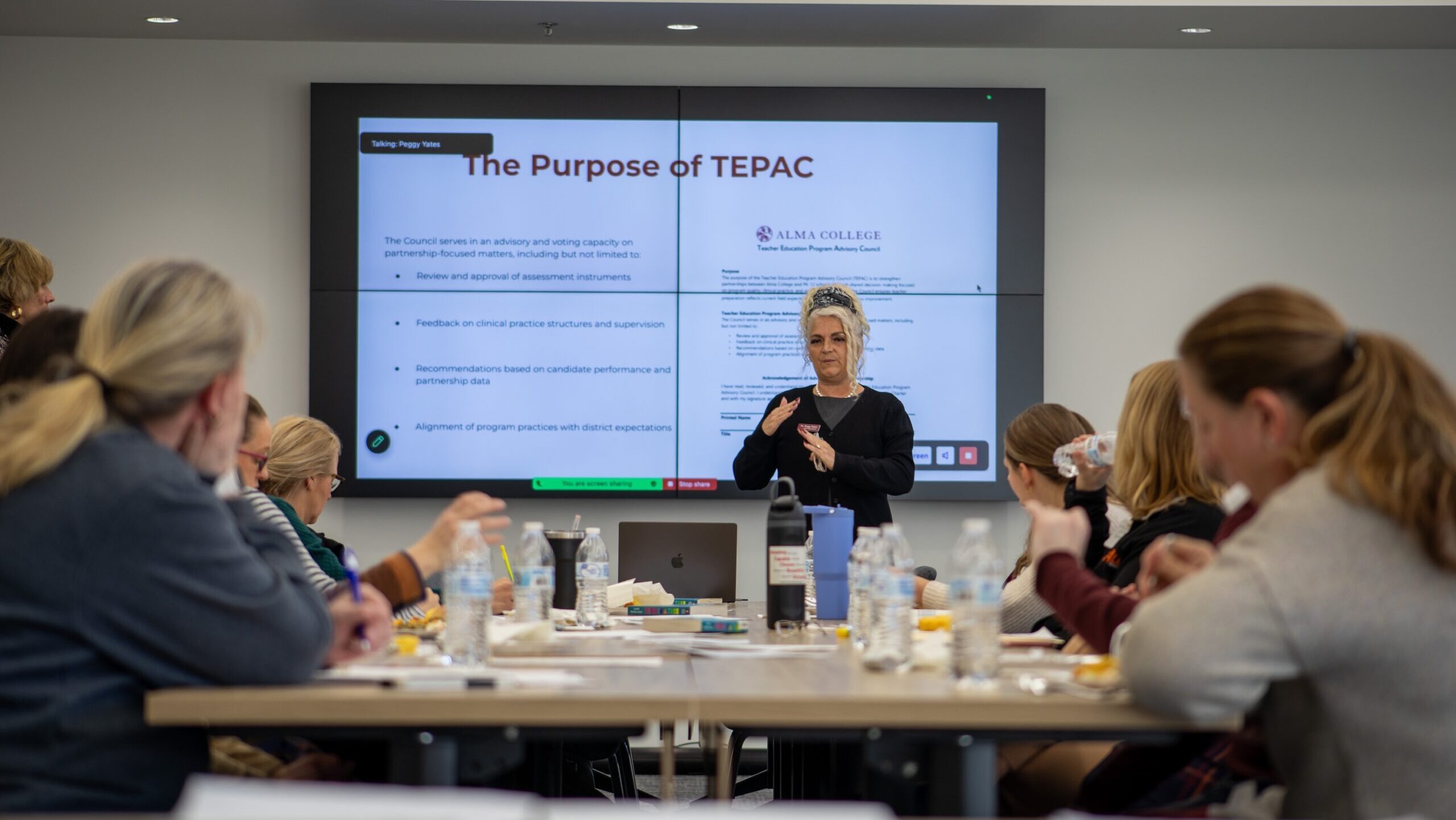
A typical week begins with a check-in meeting. Students gather to share the data they’ve collected, the research they’ve completed, and the progress they’re making toward their end-of-summer presentations. These meetings are where questions are asked, guidance is offered, and plans are made for the next round of fieldwork.
Some discussions are strategic — Where should samples be collected next? Has anyone visited a particular site recently? With a storm coming, can someone get post-rain samples? — while others focus on analysis, organization, and preparing to communicate findings with the broader community.
From there, the week unfolds in the field.
Fieldwork: Science in Real Time
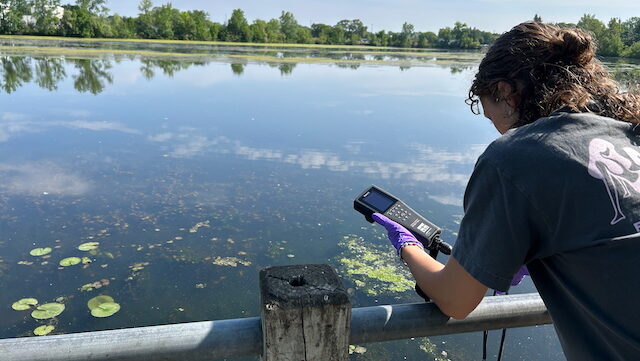
On sampling days, students travel to predetermined sites along the watershed. They arrive armed with journals, sampling kits, and the awareness that every detail matters — water clarity, weather conditions, visible environmental changes, even the presence of nearby land use that might affect water quality.
They record these observations carefully, collect water samples, and transport them back to campus, where GLWI’s labs allow them to test for contaminants like phosphorus and E. coli. Each sample becomes another piece of the story the Pine River is telling.
Research Projects and Student Roles
This summer, students worked across several interconnected research tracks that together form a holistic picture of watershed health.
A dedicated group focused on identifying sources of pollution and maintaining consistent monitoring of the river system. These students logged countless hours collecting and analyzing water samples to better understand nutrient levels, bacterial contamination, and environmental conditions that may contribute to recurring algae blooms and other water quality challenges:
- Hannah Abner
- Emmerson Goodin
- Brady Crake
- Lily Malamis
- Colin Coffey
Grant Writing and Institute Support
Isabell Bryans gained hands-on experience working with Alma College’s Advancement Office to identify, pursue, and apply for grants on behalf of the GLWI. Grant writing is a crucial, and often overlooked, skill in environmental work, and her contributions directly support future research and lab development.
Assessing Economic Outcomes
Gage Mitchell explored the economic impacts of an agriculturally influenced watershed. Using state data, property value trends, and even interviews with local realtors, his research examined how watershed health affects community economics—a perfect example of how environmental issues intersect with political science, history, and everyday life.
Why This Research Matters
Students are paid for their summer work, but the value of the experience goes far beyond compensation. They gain field and laboratory skills, deepen their understanding of environmental challenges, and build knowledge that supports careers in environmental science, public policy, economics, and beyond.
At the same time, their efforts strengthen the GLWI’s mission to generate ongoing, reliable data about the Pine River and surrounding watershed systems — data the community depends on.
Sharing with the Community
In October, students presented their findings to the Healthy Pine River group, offering an in-depth look at what they discovered over the summer. Attendees asked thoughtful questions about phosphorus levels, E. coli concentrations, and long-term trends. The students handled the discussion with confidence, and when questions extended beyond their scope, partners from the Healthy Pine River committee stepped in, demonstrating the collaborative spirit that defines this work.
The presentations were well received and reinforced the importance of student-driven research for local environmental stewardship. With more data collected each year, the GLWI continues to build a long-term record of watershed health — one made possible by the curiosity, dedication, and energy of Alma College students.