
Emily Kraenzlein
Class of 2027
Home Country: United States – Iceland and the Faroe Islands
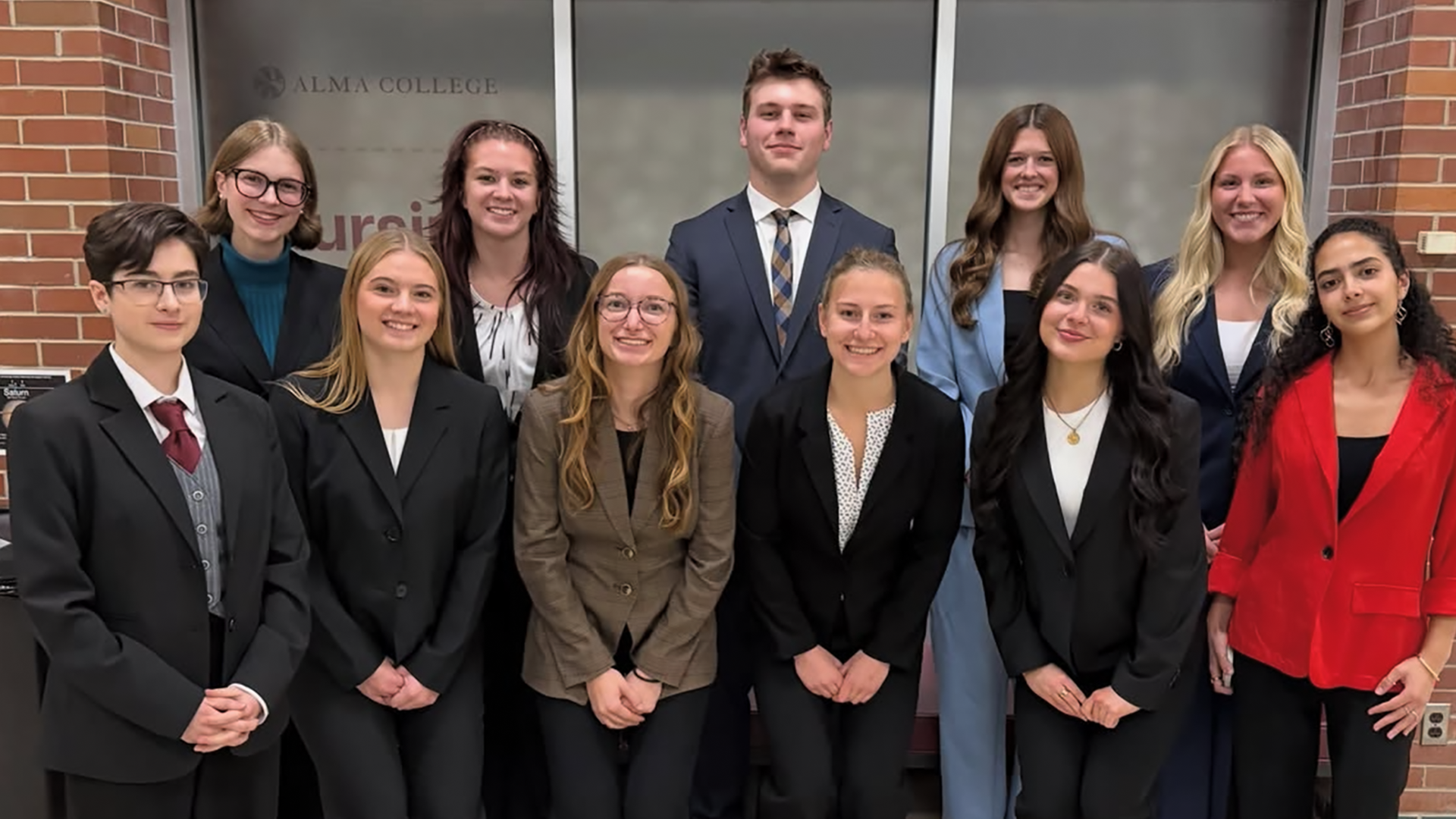
Last summer, due to the incredible generosity of the Posey Global Fellowship, I was able to travel to Iceland and the Faroe Islands as part of the Model UN Fellowship in Regional Enrichment (FIRE) program and foster regional engagement with relevant international issues. More specifically, our trip focused on exploring the triple planetary crisis which involves increasing global temperatures and pollution and decreasing wildlife diversity in certain areas. Iceland and the Faroe Islands were ideal locations to explore these issues as they related to the Sub and High Arctic and overall ocean health. While I was there, I had the opportunity to attend the Ocean Connectivity Conference, organized by Denmark’s Chairmanship of the Arctic Council, which is an international conference hosted by the University of the Faroe Islands emphasizing biodiversity, climate change, and sustainable development in the Arctic. This conference was a fantastic opportunity to engage with top leaders and researchers as they discussed findings surrounding Sub Arctic and High Arctic connectivity. It was truly inspiring to experience the international community address the triple planetary crisis with so much enthusiasm and connect that process to what I learned through my time as a Model UN delegate simulating the same thing.
My favorite part of the conference was witnessing the enthusiasm of the researchers as they shared what they had learned and what they wanted to do about it. I remember sitting in on a talk about Arctic seabirds studies and hearing about how light pollution from offshore oil rigs and light houses disorientates migrating birds. Birds rely on many different things to migrate but one of them is the rotational patterns of the night sky so it makes sense that bright oil rigs confuse them enough to throw them off course or make them stop entirely. As someone who has an interest in migrating birds, I found the research presented to be very frustrating but I also felt inspired that people cared enough to do research on it and even more so enough to bring it to a conference and talk about it. While a lot of the talks I heard were along the same line, discouraging and frustrating, they were also filled with hope. People don’t get together for something like that if there is no hope. It really opened my eyes to the kind of work that researchers and field scientists are doing to reverse the negative impacts of big corporations on climate change and biodiversity.
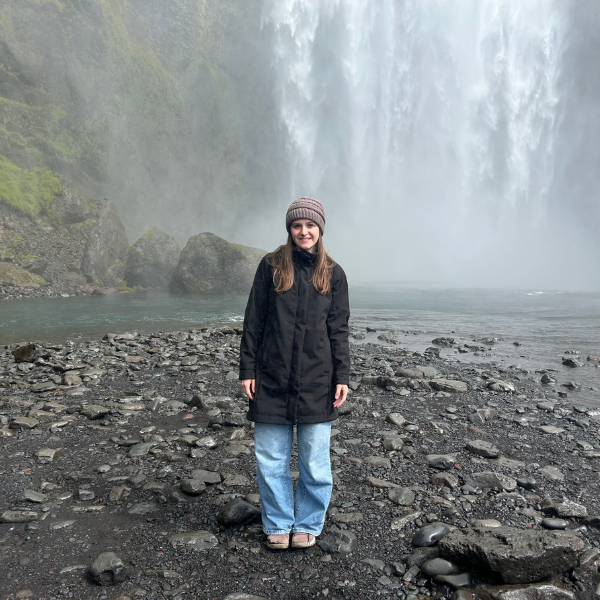
Another thing we had the chance to do while in Iceland was explore the land. Iceland is home to some of the most beautiful scenery in the world and being able to see the enormous waterfalls and sit under large, looming cliffs reminded me to be beyond grateful for the world we live in. The hardest thing to see, however, was the glacier. In Model UN we talk a lot about events happening in the world and how they are impacting people and we try to do what we can to mitigate those impacts without ever truly understanding them. We are fortunate, in Michigan, to not have to deal with insane forest fires or droughts or super crazy weather or anything else that really throws our life off. We hear about melting glaciers but we don’t actually see them. However, standing in front of a melting glacier, I was able to physically see how sick climate change makes the world. The glacier we visited retracts on average 40 km (or 24.85 miles) every single year. When I imagined the glacier we would see, I imagined a whole lot of snow and a whole lot of ice. What I didn’t imagine was a whole lot of water and a whole lot of dirt. It was depressing to say the least. However, it was an experience that I needed to have. I needed to be able to physically see the kinds of issues we talked about in Model UN and feel the feelings they gave me so that I know exactly how important it is that we keep doing the things we are doing to stop those issues from happening in the future. I think everyone should have an experience like that.
Overall, this experience was very important to me. I was able to meet with regional leaders, hear what they had to say about the regional issues that involve us and see with my own eyes those issues firsthand. I believe that is what being a truly globally oriented citizen means and I would encourage everyone who can to do something like this. The generosity of the Posey Global Fellowship means the world to me and I am so thankful for this and all the other opportunities it has afforded me.